
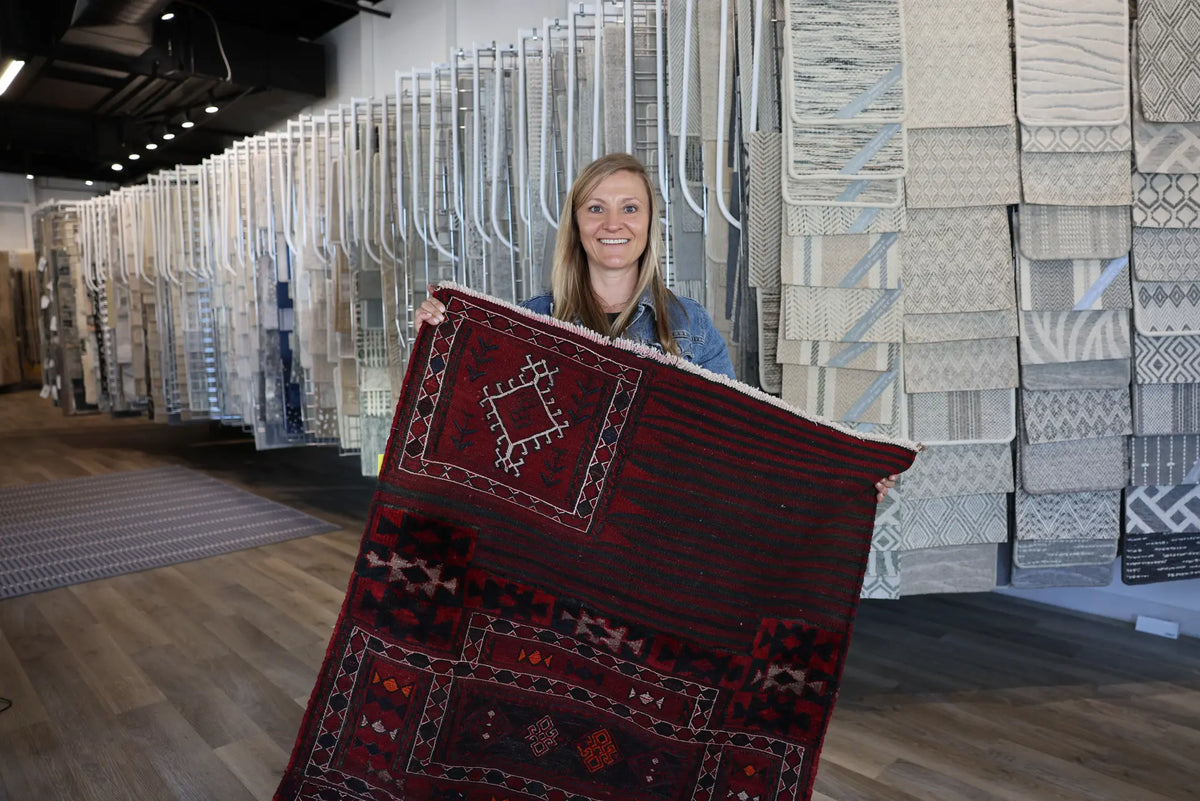
Antique rugs are not just decorative pieces. They reflect craftsmanship, history, and materials that are rarely replicated today. For many buyers, the appeal is clear, but understanding what actually makes one worth collecting is less obvious.
In this article, we will walk through what defines an antique rug, the factors that determine its value, and how to choose a piece that holds its place both visually and over time.
Key Takeaways
- An antique rug is typically at least 80 to 100 years old and hand-woven
- Value depends on condition, materials, craftsmanship, and origin, not age alone
- Even wear is acceptable, but structural damage and poor repairs reduce value
- Natural materials and dyes tend to age better over time
- Authentic antique rugs show hand-knotted construction and subtle irregularities
- Not all antique rugs are investments; quality matters more than age
- Buying from a knowledgeable and transparent dealer reduces risk
- Proper care and controlled cleaning help preserve condition and longevity
- Isberian Rugs offers expert guidance in selecting and caring for antique rugs
What Qualifies as an Antique Rug?
An antique rug is generally defined by age, method of construction, and materials used. In most cases, a rug is considered antique when it is at least 80 to 100 years old.
These rugs are handwoven, not machine-made. Each piece is created knot by knot, which gives it a level of detail and variation that modern production methods cannot replicate.
Materials also play a role. Antique rugs are typically made from natural fibers such as wool or silk and use dyes derived from natural sources. This affects how the colors age and develop over time.
Age alone does not make a rug valuable, but it is the starting point for understanding whether a piece falls into the antique category.
What Makes an Antique Rug Valuable?
Value is not based on age alone. It comes from a combination of factors that affect how the rug looks, how it has aged, and how well it was made.
Age
Older rugs carry more historical value, but age only matters when the rug has been well-preserved. A poorly maintained piece will not hold the same value as one that has aged properly.
Condition
Even wear across the surface is acceptable and often expected. Damage such as holes, weak areas, or heavy repairs can reduce value. The rug should still have a strong foundation.
Materials
Natural materials like high-quality wool or silk tend to age better. They retain color and structure over time, especially when paired with natural dyes.
Craftsmanship
Finer weaving and higher knot density usually indicate more skilled workmanship. Detailed patterns and consistent construction add to the rug’s value.
Origin
Where the rug was made matters. Regions known for strong weaving traditions, such as Persian, Turkish, or Caucasian areas, often carry more recognition and demand.
These factors work together. A valuable antique rug combines strong materials, skilled craftsmanship, and good condition over time.
How to Tell If an Antique Rug Is Authentic
Authenticity is one of the first things to confirm before making a purchase. An antique rug should show clear signs of hand craftsmanship and natural aging, not uniform production.
Start with the back of the rug. A hand-knotted rug will show individual knots and slight irregularities in the pattern. The design on the back should mirror the front, but not look perfectly identical. Machine-made rugs often have a backing layer or a uniform, printed look.
Look at the edges and fringe. In a true antique rug, the fringe is part of the foundation, not stitched on. The edges may show slight variation from years of use, which is expected.
Color can also give clues. Natural dyes tend to age with subtle variation. You may notice slight shifts in tone across the rug rather than a flat, even color throughout.
Small imperfections are not flaws in this case. They are signs of hard work. Perfect symmetry and uniformity often point to modern production rather than an older, handcrafted piece.
Does Condition Affect Antique Rug Value?
Yes, condition plays a direct role in how an antique rug is valued. Age is expected, but the way a rug has worn over time matters more than the number of years it has existed.
Even wear across the surface is usually acceptable. It shows that the rug has been used and maintained without concentrated damage in one area. This type of aging can add character without reducing structural strength.
Damage is different. Holes, weak foundation areas, or sections where the pile is completely worn down can lower the value. Repairs are also a factor. Well-executed restoration can help preserve a rug, but heavy or poorly done repairs can affect both appearance and integrity.
Are Antique Rugs a Good Investment?
Antique rugs can hold value over time, but not every piece is an investment. The outcome depends on quality, condition, and how well the rug has been preserved.
Well-made rugs with strong materials and clear craftsmanship tend to perform better. Pieces with natural dyes, balanced wear, and recognized origins are more likely to retain interest over time. Poor condition or heavy repairs can limit long-term value, even if the rug is old.
It is also important to understand that value is not only financial. Many antique rugs are collected for their character and presence in a space. They offer something that newer pieces often do not.
Buying with quality in mind rather than speculation leads to better results. A rug that is well-made and well cared for is more likely to hold its place over time.
How to Buy an Antique Rug Without Regret
Buying an antique rug requires more than choosing a design that looks right in a room. It involves understanding what you are purchasing and how it will hold up over time.
Start with the source. A reputable dealer should be able to explain the rug’s origin, materials, and condition without hesitation. This level of transparency helps you avoid uncertainty and ensures you are not relying on assumptions.
Ask about the rug’s history and any restoration work. Knowing whether a piece has been repaired and how it was done gives you a clearer picture of its current state and long-term durability.
Take time to examine the rug in detail. Look at the back, edges, and overall structure. Small irregularities are expected, but the rug should still feel stable and well-constructed.
It is also worth considering how the rug will be used. A piece placed in a high-traffic area needs to be able to handle wear, even if it is older.
Common Mistakes First-Time Buyers Make
Buying an antique rug without a clear framework often leads to choices that do not hold up over time. Here are things you should avoid:
- Buying based on design alone
- Ignoring condition details
- Assuming older always means better
- Not verifying authenticity
- Overlooking maintenance needs
Avoiding these mistakes helps ensure the rug you choose holds both its character and condition over time.
Caring for an Antique Rug
Proper care is what allows an antique rug to hold its condition over time. These pieces are already decades old, so maintenance should focus on preserving what is there rather than trying to restore it repeatedly.
Regular vacuuming helps remove surface dust before it settles deeper into the foundation. This should be done gently, without aggressive brush settings that can stress older fibers.
Rotation is also important. Turning the rug every few months helps distribute wear evenly, especially in areas with consistent foot traffic or sunlight exposure.
Spills should be handled immediately with light blotting. Excess moisture or harsh cleaning methods can affect both the fibers and the dyes.
Professional rug and carpet cleaning should be done with care and at appropriate intervals. Antique rugs require controlled handling, and the process should match the condition and materials of the piece.
With consistent, careful maintenance, an antique rug can continue to hold its structure and appearance for many years.
Invest in a Rug That Holds Its Value
An antique rug is a considered purchase. When the material, craftsmanship, and condition align, it becomes more than a decorative piece. It holds its place in a home and maintains its character over time.
At Isberian Rugs, antique rugs are selected with attention to quality, origin, and condition. With over five decades of experience in Aspen and a heritage that spans five generations, the team works closely with buyers to ensure each piece is understood before it is chosen.
If you are considering an antique rug, working with Isberian Rugs provides the guidance needed to choose a piece that fits your space and holds its value with proper care.
FAQs
How can you tell if an antique rug is valuable?
Value depends on several factors working together. Look at condition, materials, craftsmanship, and origin. A well-preserved rug made with natural fibers and strong weaving techniques will hold more value than an older piece with damage or poor repairs.
What should I look for when buying an antique rug?
Focus on authenticity, condition, and construction. Check that the rug is hand-knotted, examine the back and edges, and ask about any repairs. Buying from an experienced provider like Isberian Rugs helps ensure you understand what you are purchasing.
Do antique rugs require special care?
Yes. They need gentle maintenance, proper cleaning methods, and careful handling. Regular vacuuming, rotation, and professional cleaning help preserve their structure and appearance.
Do antique rugs increase in value over time?
Some do, but not all. Rugs with strong craftsmanship, good condition, and recognized origin are more likely to hold or increase in value. Buying based on quality rather than speculation leads to better long-term results.


