
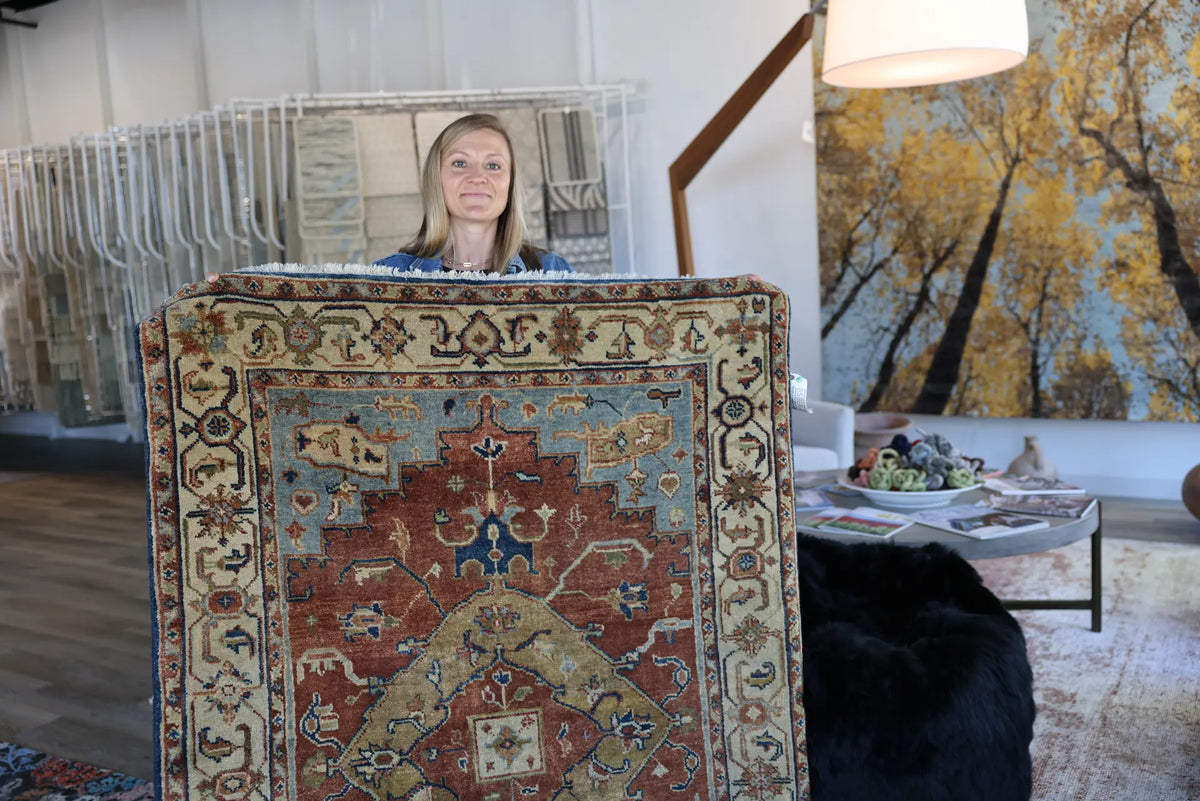
Rug material affects how a rug looks, feels, and holds up over time. Many people choose based on appearance and only realize later that the material does not fit their space or how it is used. What works in a quiet room may not last in a busy living area.
In this article, we will break down wool, silk, and synthetic rugs, how each one performs, and how to choose the right material for your home in Colorado.
Key Takeaways
- Rug material affects durability, maintenance, and long-term performance
- Wool is the most reliable choice for everyday use and high-traffic areas
- Silk is best for low-traffic, decorative spaces and requires careful handling
- Synthetic rugs are more affordable but do not offer the same longevity
- Colorado homes benefit from materials that handle dry air, dust, and seasonal wear
- Matching material to room use helps prevent early damage and unnecessary upkeep
- Cleaning methods should always match the rug’s material
- Isberian Rugs helps guide material selection based on your space and lifestyle
Why Rug Material Matters More Than You Think
Material determines how a rug performs long after it is placed in a room. It affects how it handles daily use, responds to cleaning, and keeps its shape and color over time.
A rug in a high-traffic area needs to resist wear and hold up under constant movement. A rug in a quieter space can prioritize softness and detail. The wrong material in the wrong setting leads to faster wear, more maintenance, and a shorter lifespan.
Wool Rugs: Durable and Practical for Everyday Use
Wool rugs are the most dependable choice for most homes. It balances durability, comfort, and long-term performance without requiring constant upkeep.
Wool fibers are naturally resilient. They bend under pressure and return to their shape, which helps the rug hold up in busy areas like living rooms and hallways. This makes wool a strong option for homes where rugs see daily use.
It also resists dirt and wear better than many other materials. Dust tends to sit near the surface instead of settling deep into the fibers, which makes regular maintenance more effective.
In Colorado homes, wool performs well because it handles dry air and changing conditions without losing its structure. It stays stable through seasonal shifts and regular cleaning.
Silk Rugs: Refined but High Maintenance
Silk rugs are valued for their detail and finish. They reflect light in a way that gives patterns more depth, which is why they are often used in decorative spaces rather than everyday areas.
The material is softer and more delicate than wool. It does not handle heavy foot traffic well and can show wear more quickly in busy parts of the home. This makes silk a better fit for rooms that are used less often, where the focus is on appearance rather than durability.
Silk is also more sensitive to moisture and cleaning. Spills and improper handling can affect both the fibers and the dyes, so maintenance needs to be more careful and controlled.
Synthetic Rugs: Affordable but Limited
Synthetic rugs are often chosen for cost and convenience. They are widely available, easy to replace, and require less upfront investment compared to natural fibers.
They handle basic use well and can be practical in spaces where durability is not the main concern. For short-term needs or areas where wear is expected, they offer a straightforward option.
However, they do not perform the same way as natural materials over time. Synthetic fibers tend to flatten with use and can lose their shape more quickly. They also lack the depth and texture that wool or silk provides, which affects how the rug looks in a finished space.
Cleaning is usually simpler, but the trade-off is longevity. Synthetic rugs are easier to maintain in the short term, but they are not designed to hold up for years in the same way as higher-quality materials.
Wool vs Silk vs Synthetic: What Actually Works Best?
Each material has a clear role. The right choice depends on how the rug will be used and what you expect from it over time:
| Factor | Wool | Silk | Synthetic |
| Durability | High, handles daily use well | Low, best for light use | Moderate, wears down faster over time |
| Maintenance | Regular cleaning, manageable | Requires careful handling | Easier short-term care |
| Cost | Higher upfront, long-term value | High, often premium | Lower upfront cost |
| Best use | Living rooms, hallways, busy areas | Decorative or low-traffic spaces | Temporary use or low-impact areas |
What Works Best in Colorado Homes
Colorado homes place different demands on rugs. Dry air, dust, and seasonal changes all affect how materials perform over time.
Dry conditions can cause weaker materials to lose shape or feel brittle. Wool handles this better because it retains its structure and stays resilient even with changing humidity levels.
Dust is another factor. It settles quickly and builds up in high-traffic areas. Wool tends to manage this well because it resists deep buildup and responds well to regular cleaning. Synthetic rugs can hold dust more visibly over time, while silk requires extra care to avoid damage during cleaning.
Seasonal use also matters. Snow, mud, and debris are often brought indoors, especially in entryways and shared spaces. Rugs in these areas need to handle repeated wear without breaking down. Wool performs consistently in these conditions, while silk is better kept in low-use areas.
How to Choose the Right Rug Material for Your Space
The best material depends on how each room is used. Here’s how to choose:
Living room
Choose wool for spaces that see daily use. It handles foot traffic, holds its shape, and stays consistent over time.
Bedroom
Wool works well for comfort and durability. Silk can be used in low-traffic bedrooms where the focus is on a softer, more refined look.
Entryway and hallway
Wool is the most practical choice here. These areas collect dirt and moisture, so the material needs to be strong and easy to maintain.
Decorative or low-use spaces
Silk can be used where appearance matters more than durability. These rugs should be placed in areas with minimal traffic.
Temporary or low-impact areas
Synthetic rugs can work where long-term performance is not a priority. They are easier to replace but do not offer the same durability.
Common Mistakes When Choosing Rug Materials
Most material mistakes come from choosing based on appearance alone. Here are what you should avoid when choosing a material:
- Using silk in high-traffic areas
- Choosing synthetic for long-term use
- Ignoring how the space is used
- Not considering cleaning and maintenance
Avoiding these mistakes helps the rug perform well and last longer in your home.
Choose a Material That Works for Your Home!
The right material makes a difference long after the rug is placed. It affects how the rug handles daily use, how it responds to cleaning, and how well it holds its shape over time.
At Isberian Rugs, material selection is guided by experience, not guesswork. With over five decades of experience in Aspen and a heritage that spans five generations, the team helps match each rug to the space, the level of use, and the conditions of the home.
If you are choosing between wool, silk, or synthetic, working with Isberian Rugs ensures you select a material that fits your space and performs as expected over time.
FAQs
What is the best quality material for a rug?
Wool is widely considered the best overall material for most homes. It is durable, holds its shape, resists dirt, and performs well in high-traffic areas. It also responds well to regular cleaning, which helps it last for years.
What is the difference between silk and wool rugs?
Wool rugs are durable and suited for everyday use, while silk rugs are softer and more detailed but require careful handling. Wool handles foot traffic well, while silk is better for low-use, decorative spaces.
Is wool or silk better?
It depends on how the rug will be used. Wool is better for most spaces because it is strong and long-lasting. Silk is better for appearance and detail, but it is not practical for busy areas.
How to tell if a rug is silk?
Silk rugs have a smooth, soft texture and often reflect light, giving them a slight sheen. The fibers feel finer than wool, and the rug may appear to change tone when viewed from different angles. For accurate identification, it is best to consult an experienced provider like Isberian Rugs.


