
Most people choose a rug that is too small for their space. It might look fine at first, but once it is placed, the room feels off. The furniture looks disconnected, and the layout does not come together the way it should.
In this article, we will walk through what size rug works for a living room and other key spaces, how to measure correctly, plus how to avoid the common sizing mistakes that affect how a room looks and feels.
Key Takeaways
- Most living rooms need at least an 8′ x 10′ rug, while 9′ x 12′ works better for larger spaces
- Rugs should anchor furniture, not sit alone in the center
- Front legs or all legs of the seating should rest on the rug for a connected layout
- Bedroom rugs should extend beyond the bed for comfort and balance
- Dining rugs must extend at least 24 inches beyond the table
- Runners should follow the shape of hallways and leave space on the sides
- The most common mistake is choosing a rug that is too small
- Measuring your layout before buying helps avoid sizing errors
- Larger rugs create a more cohesive and functional space
- Isberian Rugs helps you choose the right size based on your room and layout
What Size Rug for a Living Room?
Start with the sizes that work in most homes. Then adjust based on your layout.
-
8′ x 10′
A solid starting point for medium-sized living rooms. It fits under the front legs of sofas and chairs and keeps the seating area connected. -
9′ x 12′
Better for larger rooms. This size can sit under all major furniture pieces and create a more complete layout. -
5′ x 7′
Usually too small for a main living room. It tends to float in the center and does not connect to the seating area.
Size alone is not enough. The rug should relate to the furniture, not just the open floor. When it sits under the seating area, the room feels balanced and easier to use.
The One Rule Most People Miss When Choosing Rug Size
A rug should anchor the furniture, not sit alone in the middle of the room.
When a rug is placed in isolation, it breaks the layout. Sofas and chairs feel disconnected, and the space looks unfinished even if everything else is in place. This is the most common reason a room feels off.
The rug needs to sit under the seating area so it visually ties everything together. At a minimum, the front legs of sofas and chairs should rest on the rug. In larger spaces, placing all legs on the rug creates a more complete and grounded layout.
When the rug connects to the furniture, the room feels structured and intentional.
Living Room Rug Layout Options That Actually Work
There is more than one correct way to place a rug in a living room. The right choice depends on your space, furniture, and how the room is used.
All legs on
This works best in larger living rooms. The entire seating arrangement sits on the rug, which creates a fully connected and balanced layout. It makes the space feel more intentional and grounded.
Front legs on
This is the most common setup for medium-sized rooms. The front legs of sofas and chairs sit on the rug while the back legs stay off. It still connects the furniture without requiring a very large rug.
Coffee table only
This works in smaller spaces, but it should be used carefully. The rug sits under the coffee table while the seating stays off it. It helps define the center of the room, but does not fully anchor the layout.
Bedroom Rug Size Guide
Rug placement in the bedroom should focus on comfort and coverage. The goal is to ensure you step onto a soft surface when getting in and out of bed, while also keeping the layout balanced.
Under-bed full coverage
A large rug placed under the bed should extend beyond the sides and foot. This creates a soft border around the bed and makes the room feel complete. Sizes like 8′ x 10′ or 9′ x 12′ work well, depending on bed size.
Partial placement
If a full-size rug is not practical, the rug can sit under the lower portion of the bed. It should still extend enough at the foot and sides to feel intentional, not tucked too far under.
Runners on the sides
For a simpler setup, runners can be placed on each side of the bed. This works well in smaller rooms and still provides comfort where it is needed most.
The key is to align the rug with the bed so it feels connected to the space, not placed randomly.
Dining Room Rug Size Guide
Rug size in the dining room affects how the space functions, not just how it looks. If the rug is too small, chairs will catch on the edges every time they are pulled out.
The rug should extend beyond the table on all sides so that chairs remain fully on the rug, even when in use.
A practical rule:
- Add at least 24 inches on each side of the table
For example:
- A 6-seat table often pairs well with an 8′ x 10′ rug
- A larger table may require a 9′ x 12′ rug
This extra space allows chairs to move smoothly without shifting off the rug.
Shape also matters. A rectangular rug works best for rectangular tables, while a round rug suits round tables. Keeping the shapes aligned helps the room feel balanced.
Entryway and Hallway Rug Sizing
Entryways and hallways need rugs that follow the shape of the space.
Runners work best in long, narrow hallways. They should run along the length of the space while leaving a small border of exposed floor on both sides. This keeps the layout clean and prevents the rug from feeling too tight.
In entryways, size depends on how much space you have. A larger rug can help define the area and handle foot traffic, while a smaller rug works in compact spaces. It should sit centered and allow enough room around it so the space does not feel cramped.
Placement matters as much as size. The rug should sit flat, stay in place, and align with the flow of movement through the space.
Why Most Rugs Look Wrong in a Room
When a rug does not look right, it is usually not about the color or pattern. The issue is almost always size and placement.
-
The rug is too small
A 5′ x 7′ rug in a full living room often sits in the center without touching any furniture. This makes the space feel disconnected. -
Furniture is not connected to the rug
When sofas and chairs sit completely off the rug, the layout feels scattered instead of unified. -
The rug is not sized for the room
A rug that is too large for a small space can feel crowded, while one that is too small leaves too much empty floor around it. -
Dining rugs do not allow for chair movement
Chairs catch on the edges when the rug does not extend far enough beyond the table. -
Runners do not follow the space
In hallways, rugs that are too short or too wide disrupt the flow of movement.
Most of these issues come from choosing a rug based on appearance alone. When size and placement are correct, the room naturally feels more balanced.
How to Measure Your Space Before Buying a Rug
Measuring the right way makes the final result much easier to get right. The goal is to size the rug around your furniture layout, not just the empty floor.
Start by measuring the seating area in a living room. Note the width and depth of the space your sofa and chairs occupy. This gives you a clear idea of how large the rug needs to be to connect everything.
Leave a consistent border of exposed floor around the rug. In most rooms, this is between 6 and 12 inches. This helps the rug sit comfortably within the space without touching the walls.
In dining areas, measure the table and then add extra space on all sides so chairs remain on the rug when pulled out. This step prevents one of the most common sizing issues.
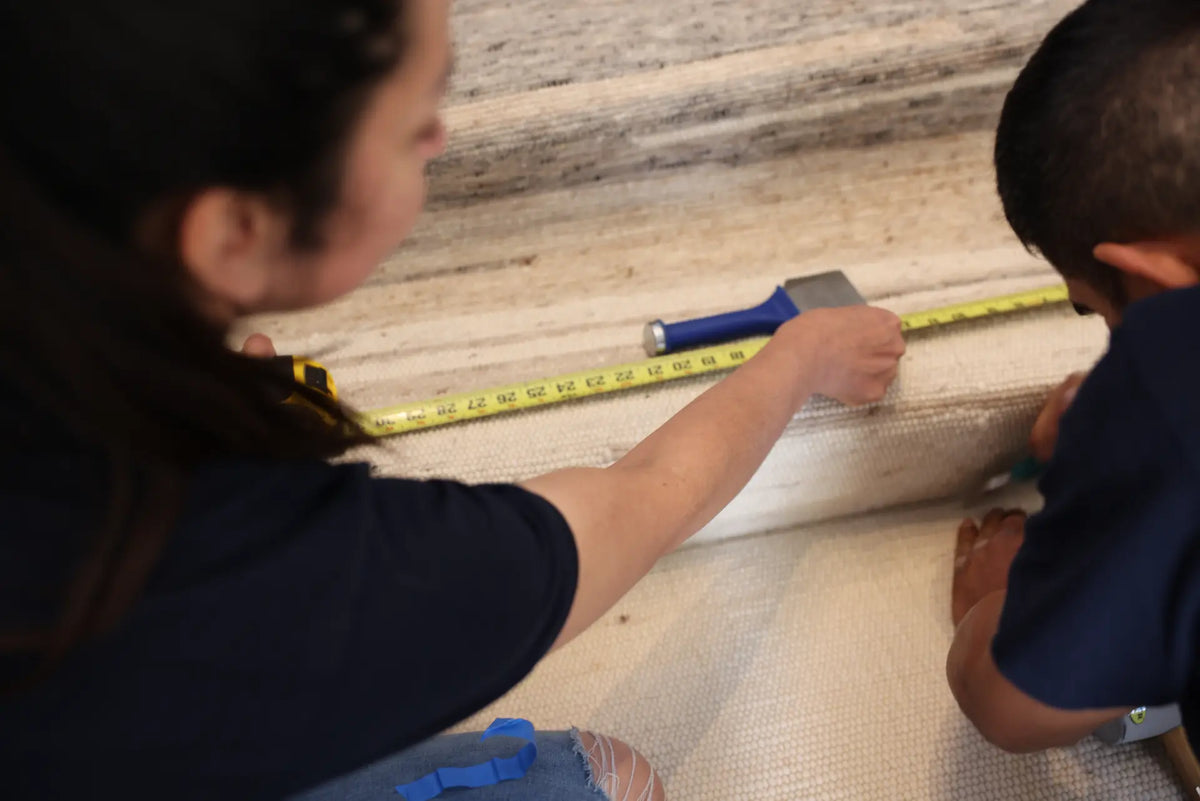
A simple way to test placement before buying is to outline the rug size on the floor using tape. This helps you see how the rug will sit in the room and whether it connects the layout properly.
Size vs Function: What Matters More?
Rug size is not just about filling space. It affects how the room works day to day.
Larger rugs tend to create a more connected layout. When furniture sits on the rug, the space feels stable and easier to move through. This is especially important in living rooms where multiple pieces need to relate to each other.
Smaller rugs often break that connection. When they sit in the center without touching furniture, the room can feel divided even if everything else is arranged well.
Function should guide the final decision. A rug that fits the layout and supports movement will always work better than one chosen only for its size or appearance.
Get the Size Right the First Time!
Rug size is one of the few decisions that can change how an entire room feels. When the size is right, the layout comes together without effort. When it is off, the space feels incomplete, no matter how well everything else is arranged.
At Isberian Rugs, sizing is not left to guesswork. With over five decades of experience in Aspen and a heritage that spans five generations, the team helps match each rug to the room, the furniture, and how the space is used. This ensures the rug fits properly and works as part of the layout.
If you are unsure about sizing, working with Isberian Rugs helps you choose a rug that fits your space from the start and avoids the common mistakes that affect how a room looks and functions.
FAQs
What is a good rug size for a living room?
A good starting point is 8′ x 10′ for most living rooms. Larger spaces often work better with 9′ x 12′. The key is choosing a size that allows the rug to sit under the seating area, not just in the center.
What is the rule for living room rugs?
The main rule is that the rug should anchor the furniture. At a minimum, the front legs of sofas and chairs should rest on the rug. In larger rooms, all legs can sit on the rug for a more complete layout.
Is it better for a rug to be too big or too small?
A rug should be slightly larger than a too small rug. Larger rugs help connect the space and make the room feel more balanced. Rugs that are too small tend to look disconnected and unfinished.
Is a 5-by-7 rug big enough for a living room?
In most cases, no. A 5′ x 7′ rug is usually too small for a main living room because it does not connect the furniture. It works better in smaller areas or as an accent rug rather than the main piece.


