
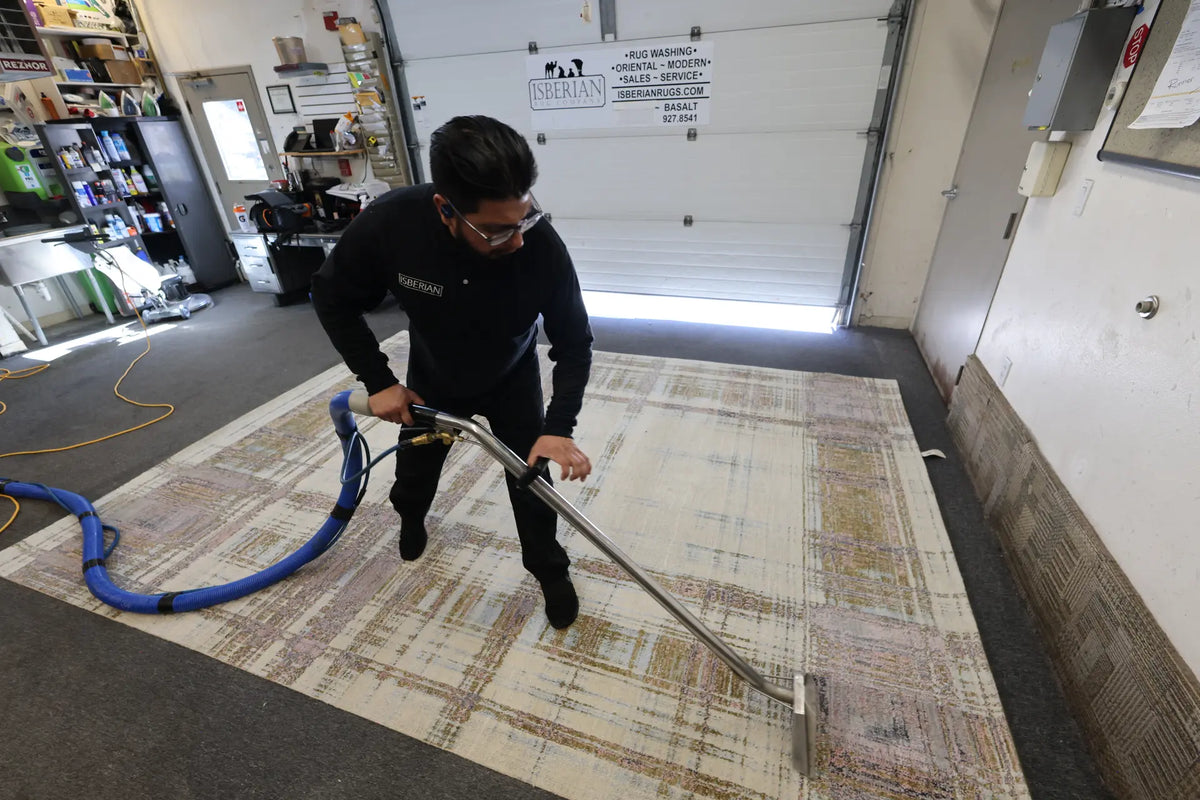
Rug cleaning looks simple on the surface, but the process is more sensitive than most people expect. Fine and handmade rugs react differently to water, cleaning products, and pressure. A method that works for standard carpet can lead to fading, fiber damage, or trapped moisture in a high-quality rug.
In this article, we will compare DIY and professional rug cleaning, where each approach works, and what you risk when the wrong method is used.
Key Takeaways
- DIY rug cleaning is useful for light maintenance and immediate spill control
- Most home methods only address surface dirt, not deep buildup
- Common DIY mistakes include over-wetting, harsh products, and improper drying
- Professional cleaning removes embedded dirt while protecting fibers and dyes
- The difference between surface cleaning and deep cleaning affects long-term rug condition
- DIY cleaning becomes risky for handmade, antique, or high-value rugs
- A combined approach works best: routine care at home and scheduled professional cleaning
- Isberian Rugs provides experienced, fiber-specific cleaning for fine rugs
What DIY Rug Cleaning Really Looks Like
DIY rug cleaning usually focuses on what can be done at home with basic tools and products. It is designed for convenience, not depth.
A typical approach includes:
- Vacuuming to remove surface dust
- Spot cleaning with store-bought solutions
- Using home or rental cleaning machines
- Air drying in an open space
These methods can help manage visible dirt and fresh spills. However, they do not reach the deeper layers where dust, oils, and debris settle over time.
The Appeal of DIY Rug Cleaning
DIY cleaning is popular because it is easy to access and quick to start. For many homeowners, it feels like a practical first step.
- Lower upfront cost compared to professional services
- Immediate response to spills and stains
- Full control over timing and process
- Useful for routine upkeep between deep cleanings
These benefits make DIY methods suitable for light maintenance. However, they do not address the deeper cleaning needs of fine or heavily used rugs.
Where DIY Rug Cleaning Starts to Break Down
DIY methods can handle surface dirt, but problems begin when deeper cleaning is needed. This is where most damage happens.
- Over-wetting the rug
- Using the wrong cleaning products
- Scrubbing stains. This pushes the stain deeper and weakens the fibers.
- Leaving residue behind
- Improper drying. Moisture trapped inside the rug can lead to odor, mold, or mildew.
These issues are not always visible immediately, but they can affect the rug’s condition over time.
What Professional Rug Cleaning Does Differently
Professional rug cleaning is built around control and precision. Each step is designed to clean deeply while protecting the rug’s fibers, dyes, and structure.
A proper process includes:
- Inspection to identify fiber type, dye stability, and existing wear
- Deep dust removal before any washing begins
- Cleaning methods matched to the rug’s material
- Thorough rinsing to remove all residue
- Controlled drying to prevent shrinkage, odor, or color issues
This approach removes what cannot be reached with home methods while keeping the rug in stable condition.
Working with an experienced provider like Isberian Rugs ensures the cleaning process is tailored to fine and handmade rugs, not treated like standard carpet.
The Real Difference: Surface Cleaning vs Deep Cleaning
The difference between DIY and professional rug cleaning comes down to depth and control. One focuses on surface results, while the other is designed to clean the rug thoroughly without putting it at risk.
| DIY Cleaning | Professional Cleaning |
| Removes surface dust and fresh spots | Removes deep-seated dirt, oils, and allergens |
| Does not reach embedded debris within the foundation | Uses methods suited to the rug’s fibers and dyes |
| Results are short-term | Results last longer |
| Higher risk of residue or trapped moisture | Lower risk when handled correctly |
| Limited control over drying | Controlled drying prevents damage |
When DIY Cleaning Is Actually Enough
DIY methods have a place, but they should stay limited to light, routine care. The goal is to manage small issues early without affecting the rug’s structure.
DIY cleaning is usually enough for the following:
- Regular vacuuming to remove surface dust
- Blotting fresh spills before they set
- Light upkeep between professional cleanings
On the other hand, DIY cleaning may seem like a cost-saving option, but mistakes can lead to problems that are harder and more expensive to fix.
- Color fading or dye bleeding that cannot be reversed
- Fiber damage that changes how the rug feels
- Moisture trapped inside the rug, leading to odor or mold
- Stains that set deeper and become permanent
- Reduced lifespan and overall value of the rug
These issues often develop over time, not immediately. By the time they are noticeable, the damage is already done.
Protect Your Rug Before It Needs Repair!
Rug cleaning is not just about removing dirt. It is about protecting something that was made to last. The wrong method can change how a rug looks and feels in ways that cannot be reversed.
DIY care works for day-to-day upkeep, but it does not replace proper cleaning. When a rug needs deeper attention, experience and the right process make a clear difference.
At Isberian Rugs, rug cleaning is handled with precision and care. With over five decades of experience in Aspen and a heritage that spans five generations, the team understands how to clean fine and handmade rugs without putting them at risk.
If your rug needs more than surface cleaning, working with Isberian Rugs in Basalt Showroom ensures it is cleaned the right way from start to finish.
FAQs
Is DIY rug cleaning safe?
DIY rug cleaning is safe for basic maintenance like vacuuming and blotting fresh spills. It becomes risky when deep cleaning is attempted without the right tools or methods, especially for fine or handmade rugs.
Is professional rug cleaning worth it?
Yes. Professional cleaning removes deep dirt, protects fibers, and helps extend the life of the rug. It is especially important for high-value, antique, or delicate rugs.
Can DIY cleaning damage a rug?
Yes. Common issues include over-wetting, using harsh chemicals, scrubbing stains, and improper drying. These can lead to color damage, fiber wear, and trapped moisture.
How often should rugs be professionally cleaned?
Most rugs should be professionally cleaned every 6 to 18 months, depending on use. High-traffic areas or homes with pets may require more frequent cleaning.


